
Remodeling guide
Homeowners: Hire Right for a Tub to Shower Conversion, Expect $3,000
Converting a rarely used tub into a shower makes sense once accessibility, resale focus, or an outdated layout become bigger priorities than keeping a bathtub around. Budget roughly $3,000 for a mid-range job, though a straightforward prefab swap or a full custom tile build will land far outside that number in either direction. Before signing anything, verify the contractor’s license and insurance, get three itemized quotes, and ask directly how they plan to handle drain relocation and waterproofing.
TL;DR:
- Drain relocation is the most significant factor influencing the cost, especially when moving from a tub end drain to a centered shower drain, which often doubles the project expense.
- Waterproofing failures are the leading cause of post-installation leaks, making membrane system quality and flood testing essential to project longevity and reliability.
- Prefabricated options typically complete within one to three days at a lower cost but limit design choices, while full tile builds and custom features significantly increase both time and budget.
- Contractors should provide detailed, itemized quotes separating labor, materials, plumbing, and permits to avoid hidden costs and ensure transparency.
- Maintaining the newly converted shower involves regular cleaning, caulk inspection, drain upkeep, and proper ventilation to prevent long-term damage and mold growth.
Table of Contents
- What Does a Tub to Shower Conversion Cost?
- How Long Does a Tub to Shower Conversion Take?
- Which Conversion Type Fits Your Bathroom?
- Why Do Plumbing and Waterproofing Cause the Most Problems?
- What Does the Process Look Like From Estimate to Finish?
- How Do You Choose the Right Contractor?
- Does Converting a Tub to a Shower Affect Resale Value?
- How Does Solution Team Remodeling Handle Tub-to-Shower Projects?
- How Do You Maintain a Converted Shower Long Term?
- A Practical Take on What Actually Matters Here
- Ready to Get a Real Quote for Your Bathroom?
- Where to Learn More
- Sources
- FAQ
What Does a Tub to Shower Conversion Cost?
The national average sits around $3,000, but the real range runs from about $1,200 on the low end to $15,000 or more for a fully customized build. A $1,200 job is typically a prefabricated acrylic surround dropped into the existing footprint with no plumbing changes. A $15,000 job usually means moving the drain, full tile work, a custom glass enclosure, and possibly a curbless entry that requires reframing the subfloor.
Several factors push a quote up or down:
- Plumbing and drain relocation — moving the drain from one end of the tub to a centered shower position is often the single biggest line item.
- Waterproofing system — membrane products and pan liners cost more upfront but prevent expensive failures later.
- Materials — acrylic panels sit at the budget end; natural stone tile sits at the top.
- Glass and hardware — frameless enclosures cost significantly more than a shower curtain rod.
- Labor and hidden repairs — rotted subfloor or old plumbing found mid-demo adds unplanned cost.
- Permits and disposal — most municipalities require a permit for plumbing changes, and tub removal adds a hauling fee.
Pro Tip: Ask every contractor to break the quote into labor, materials, plumbing, and permit fees separately. A single lump-sum number hides where your money is actually going.
How Long Does a Tub to Shower Conversion Take?
Timelines vary more than most homeowners expect, mostly depending on whether you choose a prefab system or a custom tile build.
- Planning and permits — one to three weeks, depending on your city’s permit office and how fast you finalize material selections.
- Demo — usually one day for tub removal and surround demolition.
- Rough-in plumbing — one to two days if the drain needs to move; skipped entirely for simple swaps.
- Waterproofing — a full day for membrane installation, plus time for a flood test to cure.
- Finishes and glazing — anywhere from one day (prefab panels) to one to two weeks (full tile).
- Final inspection — scheduled once permitted work is complete.
A prefab panel conversion can finish in one to three days, while a custom tile job routinely stretches into multiple weeks. Material lead times, hidden subfloor damage, and slow permit offices are the three most common reasons a project runs long.
Which Conversion Type Fits Your Bathroom?
Three main paths exist, and all trades cost against customization.
- Prefabricated acrylic or fiberglass surrounds install fast, cost the least, and have few seams to fail, but you’re limited to stock sizes and finishes.
- Full tile builds let you choose any size, pattern, or niche shelving, but labor time and cost climb quickly, especially with natural stone.
- Curbless or zero-entry showers remove the step entirely for aging-in-place needs, but usually require reframing the floor to create proper slope, which adds cost and time.
Enclosure choice matters too. Fixed glass panels are the cheapest option. Semi-frameless doors balance cost and a cleaner look. Fully frameless glass costs the most but reads as a higher-end finish.
Pro Tip: If accessibility is the driver, ask your contractor for the curbless option first and compare it against a standard threshold shower. The cost gap is often smaller than homeowners assume once waterproofing is factored in either way.
Why Do Plumbing and Waterproofing Cause the Most Problems?
Drain placement is usually the plumbing issue that catches homeowners off guard. Tub drains sit at one end of the unit, while shower drains are centered, so relocating the drain means moving the P-trap and cutting into the subfloor to access it. That single step accounts for a large share of plumbing-related cost overruns on these projects.
Two technical details matter here: upgrading to a 2-inch drain and confirming a floor slope of about a quarter inch per foot toward the drain, both of which prevent standing water and slow drainage down the line.
Waterproofing deserves equal attention, because waterproofing failures are the single most common cause of shower problems after installation. Best practice includes:
- A membrane system, such as Schluter KERDI or an equivalent liquid or sheet membrane.
- A pan liner properly sealed at every seam and corner.
- Membrane extended at least 3 inches up the wall studs before tile or panel installation.
- A flood test, holding water on the pan for 24 hours before closing the walls.
Skipping the flood test is the most common shortcut that leads to leaks discovered months after the job is “finished.”
What Does the Process Look Like From Estimate to Finish?
A well-run conversion follows a predictable sequence, and knowing it helps you judge whether a contractor’s proposal is actually complete.
- Initial measure and written estimate — a real visit, not a phone quote, resulting in an itemized bid.
- Permitting — your contractor pulls the necessary plumbing and building permits.
- Demo — tub, surround, and any damaged flooring or drywall come out.
- Rough-in plumbing — drain relocation, valve height adjustment, and any supply line work.
- Inspection — most jurisdictions require a rough-in inspection before walls close.
- Waterproofing and flood test — membrane installation followed by a 24 hour water test.
- Finishes and glazing — tile or panel installation, then the glass enclosure.
- Final walkthrough and inspection — confirming everything passes code and matches the original scope.
Any contractor who skips the rough-in inspection step in their proposal is cutting a corner worth asking about.
How Do You Choose the Right Contractor?
Vetting a remodeler for this kind of work comes down to a short list of direct questions.
- Confirm they’re licensed and insured in your state, and ask to see the certificate, not just take their word for it.
- Ask specifically who performs the plumbing and waterproofing: an in-house plumber, a subcontractor, or the general crew.
- Request references from tub to shower jobs specifically, plus photos of completed work.
- Get an itemized bid broken down by labor, materials, plumbing, and permits, along with a written timeline.
- Ask who pulls the permit and how change orders are priced if hidden damage turns up during demo.
Getting three to four itemized quotes is standard advice for a reason: it’s the only way to compare scope apples to apples instead of just comparing bottom-line numbers.
Red flags worth walking away from: a vague one-line scope of work, contractors who only accept cash, and anyone unwilling to put a warranty in writing.
Does Converting a Tub to a Shower Affect Resale Value?
The common rule of thumb among real estate professionals is to keep at least one tub somewhere in a family home, since buyers with young kids often want one. Converting a secondary or guest bathroom tends to add value without that tradeoff, since the primary bath still covers tub needs.
- Accessibility add-ons like grab bars, a built-in bench, and a curbless entry increase both usability and buyer appeal.
- Keep copies of permits, inspection records, and before-and-after photos. Future buyers and appraisers both respond well to documented, permitted work.
How Does Solution Team Remodeling Handle Tub-to-Shower Projects?
Solution Team Remodeling approaches bathroom conversions with the same thoughtful planning and organized process used across its kitchen and whole-home remodeling work, based in Redmond, WA.
- Every project starts with clear, transparent communication so homeowners know the scope, materials, and schedule before demo begins.
- The team uses premium materials and prices honestly upfront, without pressure tactics or vague estimates.
- Reliable scheduling and meticulous execution keep projects on track from rough-in through final finishes.
- Tile and surface work is a specific area of focus, which matters directly for waterproofing and tile installation quality on shower conversions.
How Do You Maintain a Converted Shower Long Term?
A shower conversion holds up a lot longer than the tub it replaced, but only with the right upkeep habits built in from day one.
Squeegee the glass and tile walls after every use. It takes fifteen seconds and prevents the hard water spotting and soap scum buildup that eventually etches into glass permanently. Wipe down the pan and corners weekly with a non-abrasive cleaner. Avoid anything acidic or abrasive on natural stone tile specifically, since standard bathroom cleaners can dull or pit the surface over time.
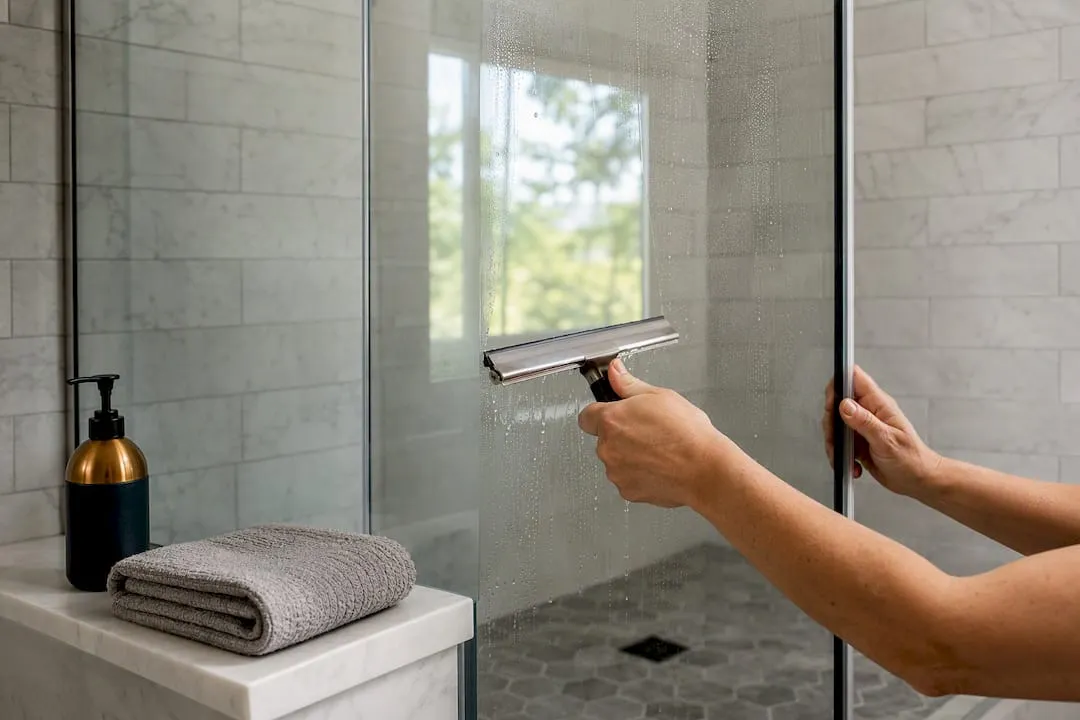
Check the caulk line at the pan edge and around the glass enclosure every few months. Caulk is the first line of defense against water getting behind the waterproofing membrane, and it’s a five-minute fix when caught early versus a full teardown when ignored for years. Any discoloration, softness, or gap in the grout or caulk is worth addressing immediately, not at the next spring cleaning.
Clean the drain regularly, especially in centered shower drains that see more hair and soap residue than a tub drain ever did. A slow drain is often the first sign something’s partially blocked, and catching it early avoids standing water that can stress the pan seal.
If your shower has a linear or curbless drain, check the slope area for any pooling after each use. Pooling water that doesn’t clear within a minute or two can signal a slope issue worth having a plumber look at before it turns into a bigger problem.
Ventilation matters just as much as cleaning. Run the bathroom fan for at least twenty minutes after each shower to keep humidity from settling into grout lines and drywall, which is one of the most overlooked causes of mold in newly converted bathrooms.
A Practical Take on What Actually Matters Here
Most homeowners obsess over tile color and glass style, but waterproofing quality is what determines whether this project ages well or turns into a five-year headache. Compare itemized bids line by line, not just the bottom number, and press every contractor on their waterproofing method before you sign. If you want a second opinion on your quotes, request a consultation and get a straight answer.
— Vlad
Ready to Get a Real Quote for Your Bathroom?
If you’re comparing prefab kits, DIY surround videos, and general contractors, consider a local remodeling team that plans the plumbing and waterproofing scope upfront and prices it honestly, with no pressure to upgrade beyond what your bathroom actually needs.

Focus on tile and surface craftsmanship matters most in the two areas that make or break a shower conversion: drain relocation and membrane installation. Reliable scheduling means you can have clear expectations about when demo starts and when your bathroom will be usable again. If you’re ready to move forward, request a free estimate or browse the full range of remodeling services to see what’s included before your first call.
Where to Learn More
For deeper technical detail beyond this guide, Oatey’s waterproofing guidance covers membrane installation standards, and Modernize’s cost breakdown walks through pricing by conversion type. Zillow’s bathroom remodel ROI data is worth reading if resale value is part of your decision.
Sources
- Oatey: Guide to tub-to-shower conversions
- Modernize — Tub to Shower Conversion: Types, Costs, and Finding the Best Contractor
- Patriot Bath Remodeling — Tub-to-Shower Conversion: Complete Process Guide
FAQ
How Much Does It Cost to Convert a Bathtub to a Shower?
Expect an average around $3,000, with a realistic range of $1,200 to $15,000 or more depending on drain relocation, materials, and whether you choose prefab or custom tile.
Can a Plumber Do a Tub to Shower Conversion?
A plumber handles the drain relocation and rough-in work, but a full conversion also needs waterproofing, tile or panel installation, and glazing, which is why most homeowners hire a licensed remodeling contractor who coordinates the plumber as part of the crew.
Is It a Good Idea to Convert a Tub to a Shower?
It’s a strong option if the tub goes unused, if accessibility is a priority, or if you’re modernizing a secondary bathroom, though real estate professionals recommend keeping at least one tub somewhere in a family home for resale.
How Much Does Home Depot Charge for a Tub to Shower Conversion?
Pricing for big-box tub to shower services varies by location and typically favors faster, prefab-based installs that trade some customization for speed. For an itemized quote based on your specific bathroom, request a free estimate directly from a local remodeling team.
